
A teammate who was learning Godot invited me to join a week long game jam hosted by the platform with the theme being “Critters”. I said yes, eager to hop on a new project. From day one I took an active role in scoping the project. We hopped on a Discord call and used Linear to map out tasks and realistic deadlines for the team. I had never worked with pixel art animation before, so I self allocated the first 4-5 days for learning Aseprite and designing the characters, while reserving days 6-7 for composing the soundtrack and sound effects since those are my existing strengths. I reviewed my teammate’s proposed timelines as well and we locked in the plan in a single three hour session.
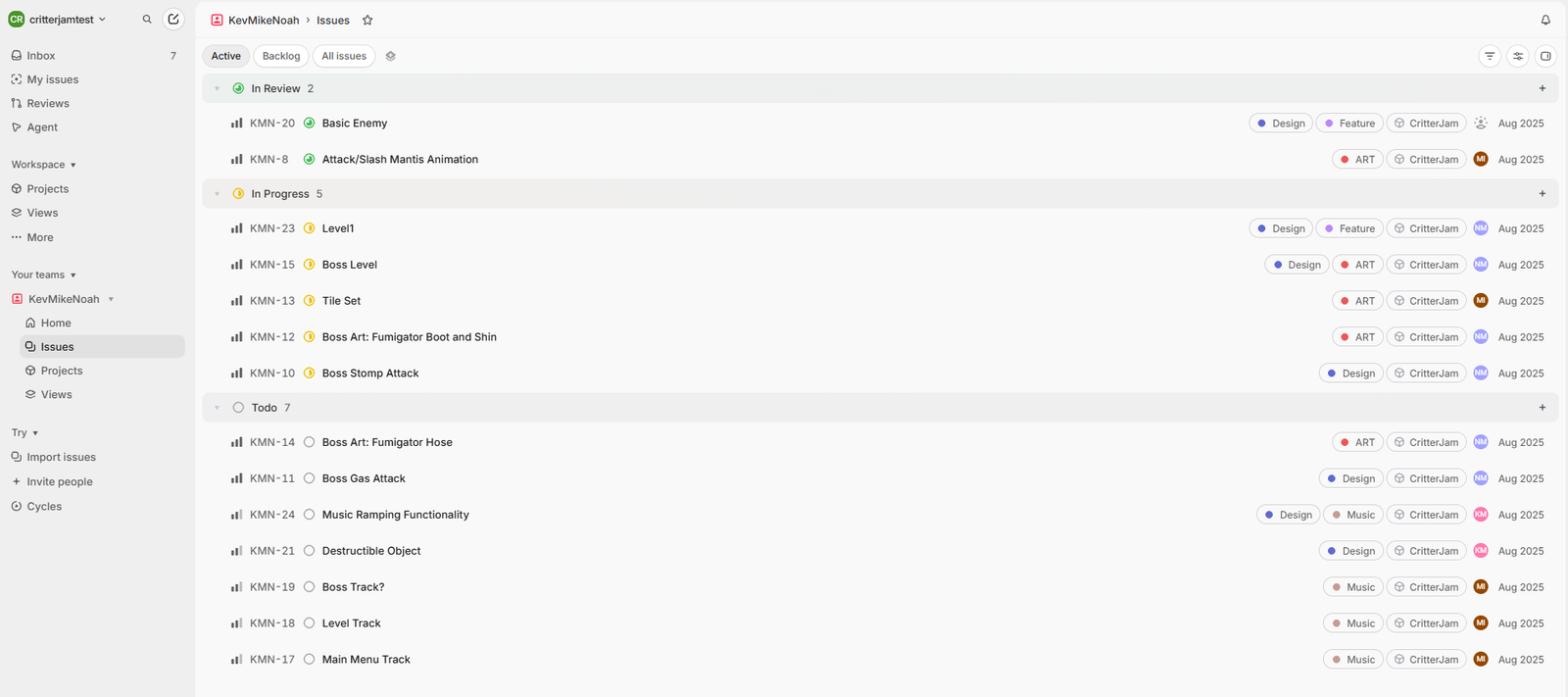 This is a screenshot of our Linear board progress after 2 days.

In addition to drawing and composing, I also drafted a bare bones storyline for the game to give us a creative foundation to build on. We also went further with the theme “Critters” by designing a core mechanic around stacking attacks for a stronger critical hit – a “crit”, if you will. With this in mind, I thought about bugs, and since we wanted a platformer hack-and-slash, I figured what better bug than the praying mantis.
The story I wrote centered on an exterminator arriving at a small bug village, spraying chemicals that turned all the citizen bugs aggressive except for one: Mantis. With this in mind, I made sure to give the bugs sinister indicators such as red eyes, a balaclava, boxing gloves, or a leather flying helmet. I also knew I wanted each bug to look unique, which drove my design choices throughout the entire character roster.
First sketch of Mantis, made in GIMP
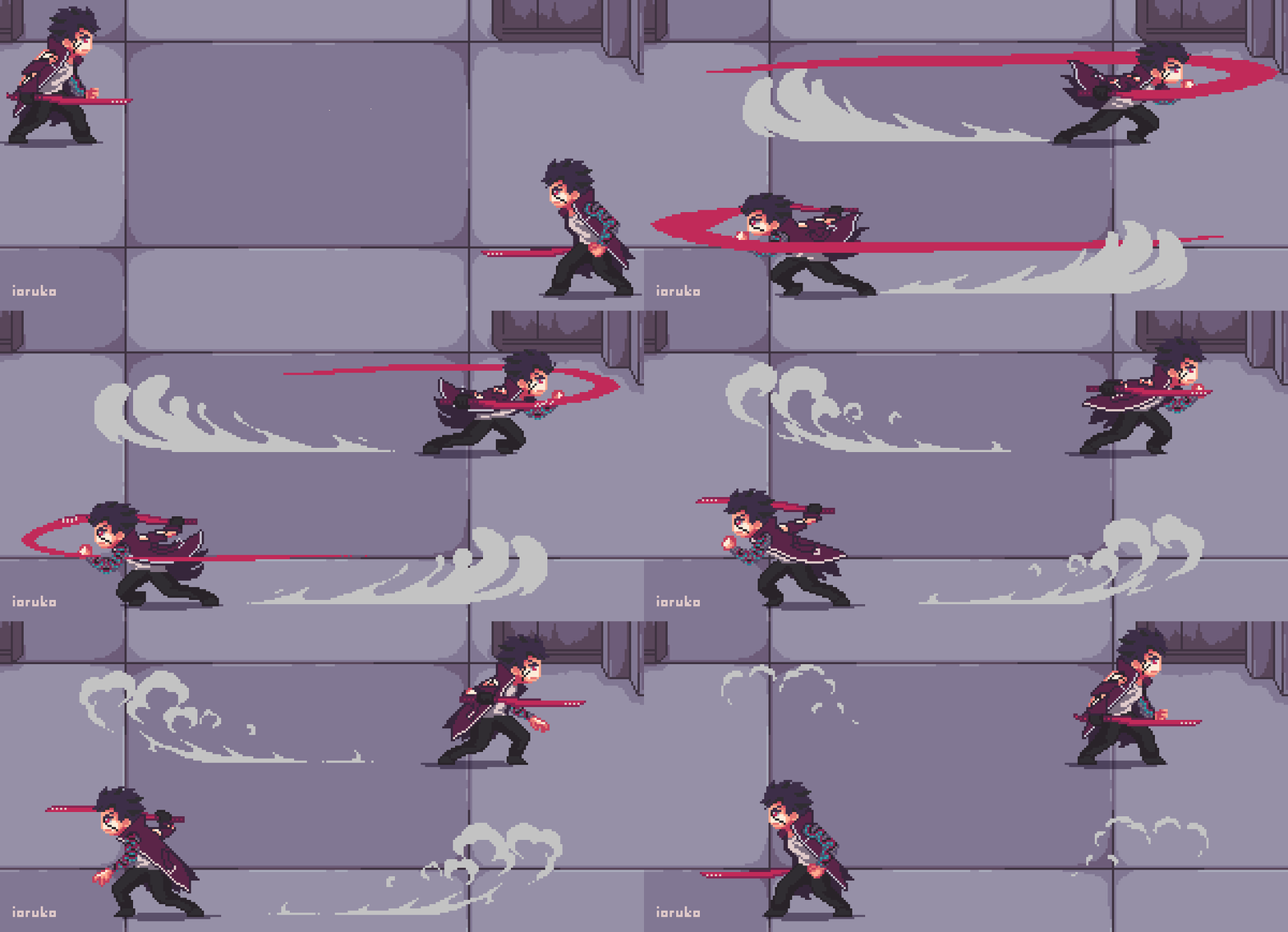 I referenced this slash animation for multiple purposes, including a slash effect as well as attacking animation practice.

Since I didn’t have any experience with Aseprite or pixel art workflow, I had to make fast decisions. This limitation was actually beneficial as I didn’t have time to second guess design choices.
I first started with Mantis. My first design was anatomically accurate with multiple limbs which would have been difficult to animate. So instead I opted for two legs, blades for hands, and an assassin vibe to stay true to the hack-and-slash genre. This was a definite upgrade that came with swagger.
The next part was more challenging, and that was enemies. I started by ideating four types of enemies. One that popped out of the ground, a flying target, one that attacked really fast, and a slow moving, heavy hitting target. I then went with the first four bugs that came to mind: a worm, fly, cockroach, and scorpion, respectively. I drew inspiration from pop culture references so that each of the bugs would be unique.
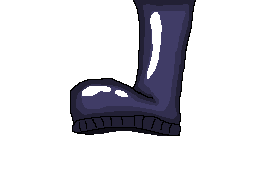
For the worm, I thought it might be funny to put a balaclava on it like a terrorist from the popular game Counter Strike since it peaked before popping out of the ground. Much like a terrorist peaks out from around the corner in the game. The fly was originally designed to explode, but due to time constraints I had to cut the idea. I kept the intent alive by giving it a mouth inspired by the creeper from Minecraft. For the cockroach, posthumously named the Boxroach, I gave it boxing gloves and an upright posture. When it attacked, I wanted it to throw punches much like that of Rock ’em Sock ’em Robots. This is one of my favorites, and it was actually easy to complete once I had the body designed because I could reuse frames from the walking animation for when it attacked. Finally, while doing research on the bugs, I was reminded that scorpions are bioluminescent, which gave me the idea for the scorpion to have been turned blue by the exterminator’s chemicals. We also wanted a boss, and since the boss was going to be extraordinarily large compared to a normal bug, we decided that Mantis would simply fight a boot.
The last day of art production was spent on tile sets. I watched one YouTube video on how to package and deliver a tile set in Aseprite, then designed the team’s full tile set from scratch. I also drew up some quick environmental assets like bushes and clouds. Toward the end we did have a little extra time so I added baubles and trinkets for the player to find hidden around the map.
Sprites & Animations


Tileset
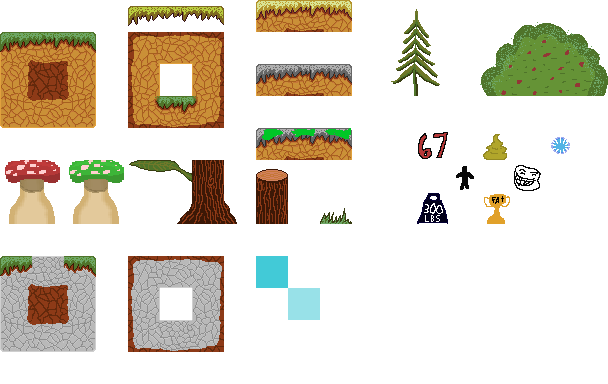 Master tileset

With the art complete, I shifted my focus to the soundtrack. Having finished assets served as a great visual reference, but I also had to account for the game’s intended feel. At the beginning, we looked to the game Katana Zero as inspiration for the gameplay. I had never played the game, but studying the footage was enough to point me toward a Japanese inspired sound.
I took a systematic approach by researching what makes a song or melody sound Japanese. I immediately identified the Kumoi Pentatonic Scale as the key behind this iconic sound. So I learned it on my guitar, iterated on melodies until I found ideas worth developing, and cross-referenced ideas on my MIDI keyboard. I came up with four concepts to work off of, which all utilized additional atmospheric elements like the anime cicada effect and sound of wind.
I developed three of the ideas into full pitches. When I presented them, the feedback was clear in that my tracks were too dark and atmospheric for the game. It was a fair critique and a useful recalibration. With no time to write new pitches from scratch, I developed my main idea into a beat for me to freely improvise over with the kumoi scale on my MIDI keyboard for a minute. That single take became the main theme, looped for the full game. One of the concepts I pitched was going to be used for the boss fight, but was ultimately cut as the developers did not have enough time to implement it.
It really came down to the wire with the sound effects. One of the developers stepped in to help source and send me stock audio files to edit in FL Studio. I sharpened timings, layered hits, and tailored the sounds to bring immersion. Some notable sounds were a knife being sharpened and a slice for when enemies were hit. Unfortunately, the original files were lost after submission, but everything made it into the final build and can be heard in game.
Soundtrack
The last two hours before submission were a sprint. The baubles, trinkets, environmental items, sound effects, and slash animations were all designed and integrated within that window. The game cover art was designed in Affinity Designer 10 minutes before we had to submit our project. I searched for a font that matched energy slash animation I made for the game. It all came together faster than it had any right to, frankly. A handful of the tile variants were also added in that final sprint as well by simply shifting the hue. This created dry grass and dead grass.
My team ran out of time to debug the game, so there was an implicit understanding that strong art could carry some of the weight. This is why I crammed a lot of environmental detail up until the end.
It felt great to finally ship the game. The core gameplay mechanic was actually a lot of fun to use and was satisfying to unleash a large critical hit after a 15 hit combo, which validated the original concept. This was further validated by players and other game jam participants; stating it was a lot of fun. There was an area near the start of the map that players could fall through, but beyond that the reception was positive.
What did we learn? For a team of three, the time constraints, and how we planned everything; I think it went well. What I would have done differently is frontload the research, spending more time in the planning phase gathering referenced and building a shared visual language so I could move faster during production. I’d also communicate more proactively with the team throughout as opposed to working in parallel and syncing at the end.
Mantis placed 85th overall out of 184 entries, so we were in the top half in our first game jam! Graphics ranked 109th and music 138th. We received 12 ratings total, while the top 20 entries averaged 25 ratings, with one outlier receiving 50. What I learned is that the gap was not solely on talent, it was visibility. The teams that ranked highest were the ones that actively marketed their entries and drove traffic to their submission page. I noticed the creators of those games commented the most on other games. Shipping is only half the work. The other half is making sure people find it.
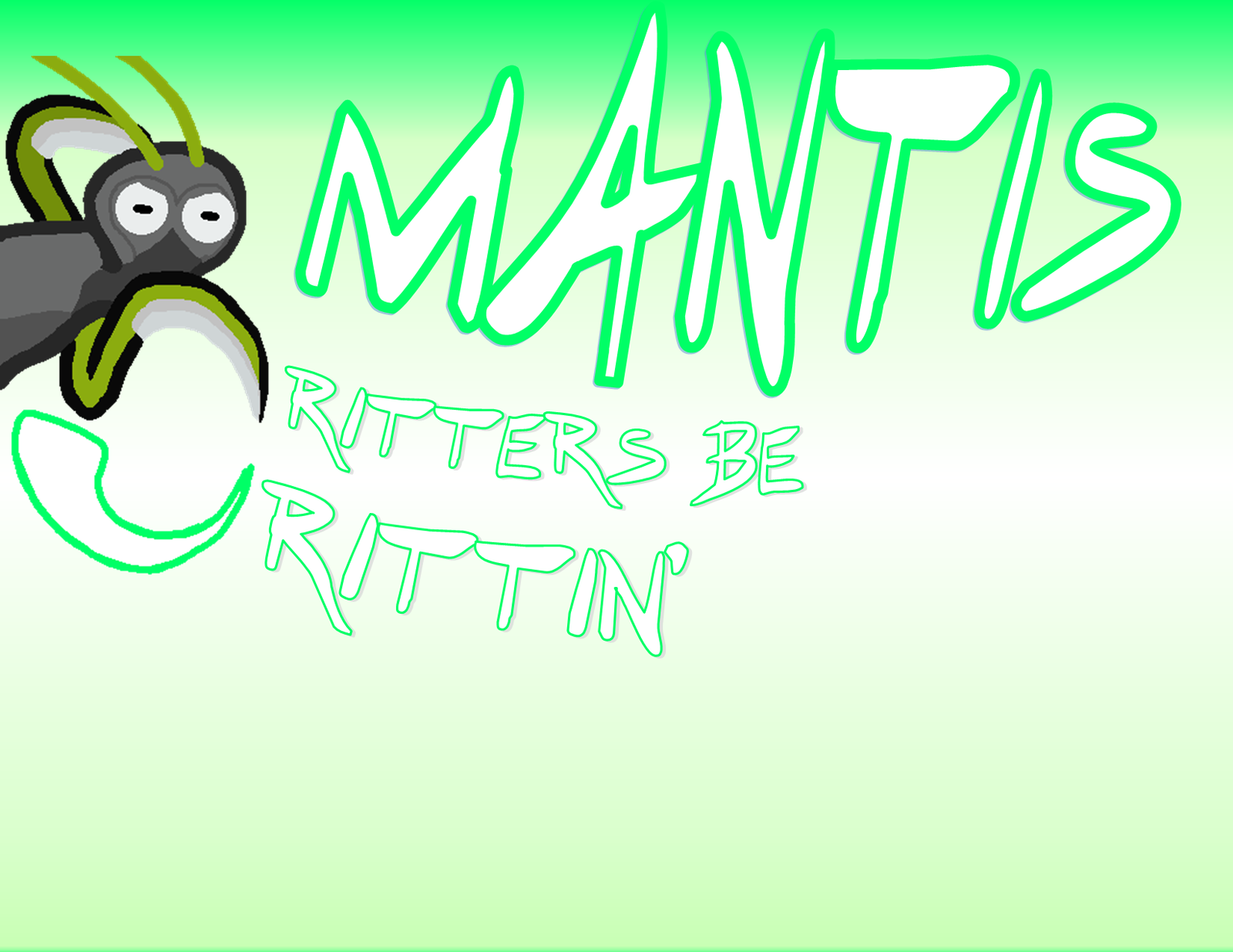 Game Cover Art
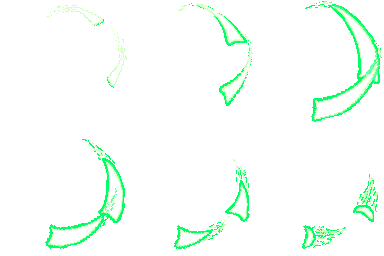 Slash Animation
 Boss Projectile Attack
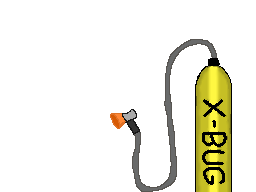 Unused Second Boss Phase